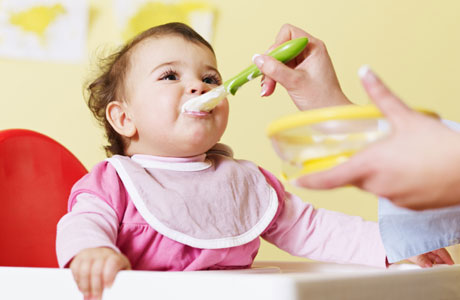
Toddlers require a balanced nutrition in age in order to grow and develop
healthily. One of the nutrients needed by infants to grow is a
protein, so parents need to make ends meet.
Toddlers require a balanced nutrition in age in order to grow and develop
healthily. One of the nutrients needed by infants to grow is a
protein, so parents need to make ends meet.
Protein is an organic compound in food that is beneficial to build new
tissue in the body, refining the tissue that has been damaged, and the source
of the body's defenses. Protein can be obtained from animal sources such as
meat, liver, fish, shellfish, shrimp, chicken, eggs and milk, as well as from
plant sources such as soy, beans, rice, corn and coconut.
But toddlers may require a different portion of the protein. Here are 6 ways you need to look smart in meeting the protein needs of
infants, as reported whattoexpect, Thursday (12/20/2012):
1.
Knowing the amount of the protein
needs of children
Toddler is not so much needed protein intake, but still have to be met for
the sake of growth. Toddlers aged 1-3 years only need about 13
grams of protein per day, while children aged 4-5 years require as much as 19
grams of protein every day.
As a reference a reference amount of protein contained in the food, one egg
offers about 7 grams of protein, one cup of milk contains about 8 grams of
protein, half a cup of yogurt contains about 5 grams of protein, and a
tablespoon of peanut butter contains about 4 grams of protein.
2.
Giving milk intake
Milk is a good source of protein and much liked by children. You can add milk to the child's breakfast cereal or serve immediately. But
you need to remember is not too much added sugar in milk to prevent obesity and
dental caries.
3.
Introduce yogurt for dessert
Serve yogurt with some sliced apples, pears or plums for dessert. Children usually will like protein with a slightly sour taste, so you will
not be difficult to give yogurt in children.
4.
Serve food with interesting shape
The child may not be interested in eating food that has known, so you have
to serve food as attractive as possible. Cut the chicken
meat or cheese into small cubes and serve with dipping into the tomato sauce so
that children are more interested.
5.
Give protein from beans
Peanut butter is a natural source of protein that is very good, but be sure
to rub a thin layer on top of the bread so as not to choke him. Introduce your child as well with some foods such as peanuts, cashews, or
made green bean porridge. But first make sure first if your child has an
allergy to peanuts or not.
6.
Giving fish protein intake
Fish is a source of animal protein is very healthy, plus fish contain
omega-3 fatty acids are good for brain development in children. Choose fish such as tilapia, salmon, and so on are presented in the form of
shredded into small pieces.
 Have skin toned and healthy always be the desire of every woman. To get maximum results, you should do a skin care by eating natural food ingredients to stimulate the skin's health. As quoted Womensfitness, Tuesday (12/09/2014), the following four foods that make the skin firmer and healthier.